
How to Compare Car Chargers for Wholesale and Retail Programs
Compare car chargers by separating wired plug-in models from wireless charging mounts, then check the exact vehicle input, ports or charging profile, total-output conditions, mounting method, phone and case fit, included cable or adapter, sample plan, packaging and documentation. A headline wattage is only useful when the model and test conditions are clear.
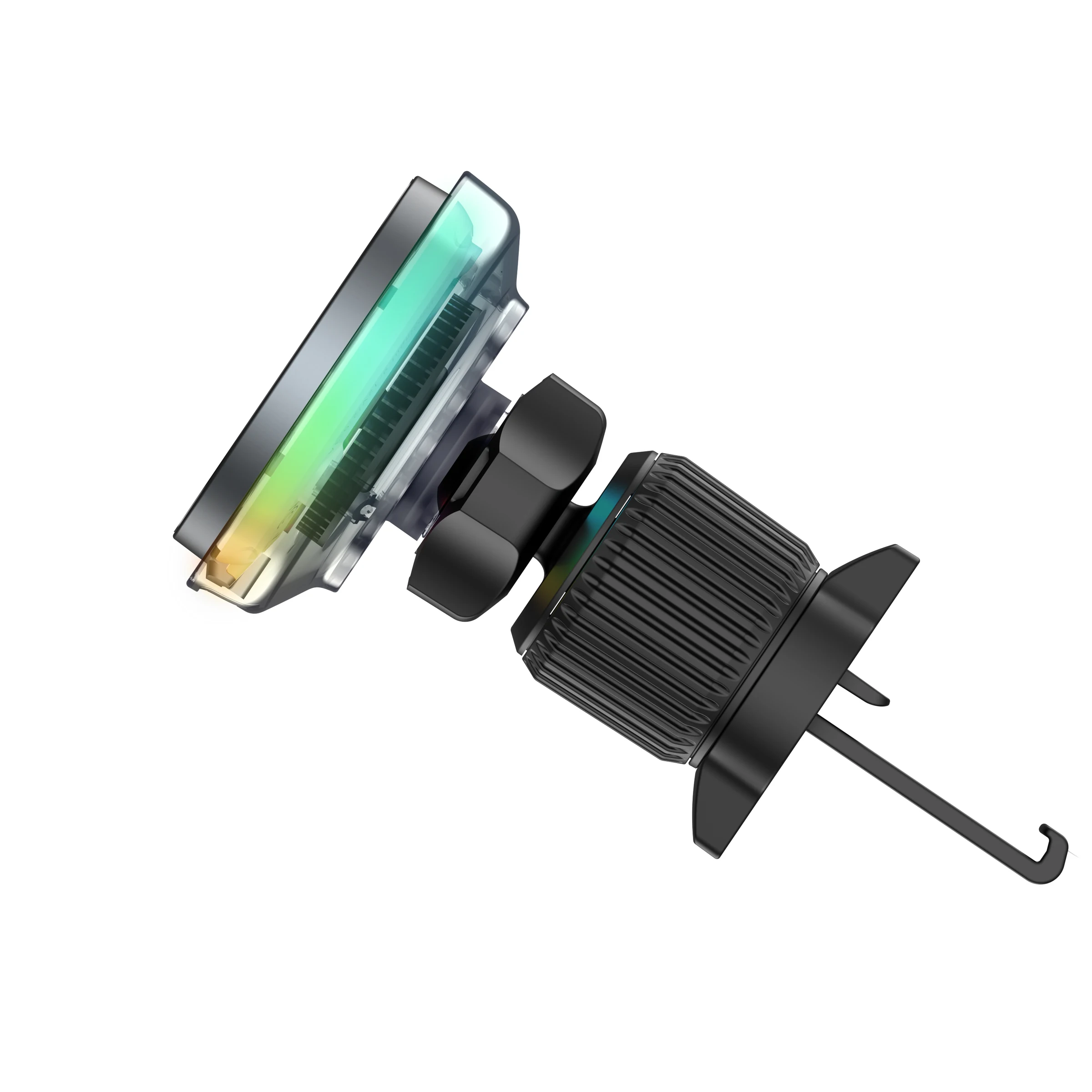
Start With the In-Vehicle Use Case
A plug-in USB car charger and a wireless phone mount solve different buyer needs. The first converts vehicle power into one or more wired charging outputs. The second combines phone placement, mounting hardware and wireless charging, so physical fit and stability matter as much as the stated output. Define the selling channel, vehicle context and target devices before comparing prices.
Use the Car Chargers category to build a shortlist. ChargerNext currently presents wired references such as FQC22, F715 and F681, plus wireless-mount references including MG16, X68W and X15. Confirm the current specification in the quotation.
Model-Level Comparison
| Model reference | Format and current page facts | Buyer checks |
|---|---|---|
| FQC22 | Wired USB-A + USB-C plug-in charger; current page lists DC 12–24 V input and 30 W total | Confirm per-port profiles, simultaneous-output behavior, socket fit, included accessories and marking |
| F715 | Compact wired USB-A + USB-C plug-in charger; current page lists DC 12–24 V input and 30 W total | Confirm PD/PPS and QC conditions, combined use, dimensions and target devices |
| F681 | Wired USB-A + USB-C plug-in charger; current page lists 18 W USB plus 65 W USB-C and 83 W total | Confirm the exact input and profile conditions needed for the stated outputs |
| MG16 | Magnetic wireless car charger; current page states a 15 W maximum | Confirm mount, magnetic alignment, case conditions, vehicle power source, cable and device matrix |
| X68W | Magnetic wireless charger with vacuum mount, foldable bracket and three-axis adjustment; current page states 15 W | Test mounting surface, adjustment range, retention, phone/case combination and input source |
| X15 | Wireless charging phone holder; current page lists 15 W, 10 W, 7.5 W and 5 W modes | Confirm holder range, vehicle installation, phone/case fit, input power and supported mode by device |
1. Put Power Claims in Context
USB Power Delivery negotiates power between compatible source and device. USB-IF describes support for multiple fixed voltage levels and higher-power USB-C applications, but that standards overview does not validate a specific car charger. Ask which port, protocol, voltage/current profile, cable and device were used for each stated output.
For two-port models, separate the maximum for each port from the total available during simultaneous use. Verify whether power is reallocated when a second device is connected. If certified USB logo use or USB-IF certification is required, search the exact product in the USB-IF certified product list rather than relying on a similar model or generic protocol name.
2. Check Vehicle Input and Physical Fit
The vehicle outlet and installation position are part of the system. For plug-in models, review the specified DC input range, plug dimensions, socket depth, visibility, removal and access to adjacent controls. For mount products, identify the vent, dashboard, windshield or other approved mounting surface and test it under the intended orientation.
Do not infer vehicle compatibility from product shape. Ask for dimensions and mounting hardware, then test representative vehicles or fixtures relevant to the sales program. Any installation or safety instructions supplied with the product should be reviewed for the destination market.
3. Build a Phone, Case and Cable Matrix
For wireless chargers, list the exact phones and cases to be evaluated. Magnetic alignment, camera bumps, case thickness and phone dimensions can affect placement and retention. WPC explains that Qi specifications cover the interface between transmitter and receiver and recommends checking the official database when certification is required.
For wired chargers, include the target phone, tablet or other device, expected cable type and whether the cable is supplied. A model that supports a protocol still needs the correct device and cable conditions to demonstrate the expected result.
4. Use a Repeatable Sample Test
- Record the model, sample date, hardware or packaging revision and all included accessories.
- Check fit, finish, labels, ports, indicator behavior and packaging contents.
- Test each planned device, case, cable and vehicle input condition separately.
- For multiport chargers, test single-port and simultaneous-use conditions.
- For mounts, test installation, adjustment, retention, removal and charging alignment.
- Document observations, open questions and the approved reference sample before production.
5. Include Retail and Private-Label Inputs
For a wholesale or retail program, add logo placement, color, packaging language, barcode/label information, included accessories, warnings and documentation to the comparison. Review Private Label, Packaging Customization and Quality Control as project pathways, then request model-specific feasibility.
MOQ, sample availability, customization method, packaging construction, lead time and documentation can change by model and quantity. Keep these as quotation fields instead of treating a category page as a production specification.
Car Charger RFQ Checklist
- Exact model numbers and whether wired plug-in or wireless mount format is required.
- Destination market, sales channel and estimated sample/production quantities.
- Vehicle input and installation or mounting context.
- Target phones, tablets, cases, cables and other devices.
- Required port/profile conditions and simultaneous-use questions.
- Logo, color, packaging, labels, accessories and artwork requirements.
- Sample evaluation, inspection and documentation requirements.
Frequently Asked Questions
Can I compare car chargers by wattage alone?
No. Compare the exact port or wireless profile, input conditions, simultaneous use, target devices, cables, mounting or socket fit and the confirmed production configuration.
Does magnetic attachment prove Qi2 certification?
No. When certification is required, verify the exact product in the Wireless Power Consortium certified-product database.
What should be tested on a wireless car-charger sample?
Test the planned vehicle mount, phone and case combinations, retention, adjustment, alignment, input adapter/cable and charging behavior.
What should a retail-program quotation include?
Include the model, quantity, destination market, device and vehicle context, customization, packaging, accessories, required documents and target timing.
Sources and Verification Links
- USB-IF — USB Charger / Power Delivery
- USB-IF — Certified product search
- Wireless Power Consortium — Qi specifications and automotive resources
- Wireless Power Consortium — Certified product database
Prepare Your ChargerNext RFQ
Send the shortlisted car-charger models and your vehicle, device and channel requirements, estimated quantity, destination market, target devices, branding and packaging requirements, and required documentation. ChargerNext will review the request against the current model and quotation scope.