
Charging product buyer guide
Charging Product Documentation Checklist for Importers and Private Label Projects
By ChargerNext Sales Team · Reviewed 10 November 2026
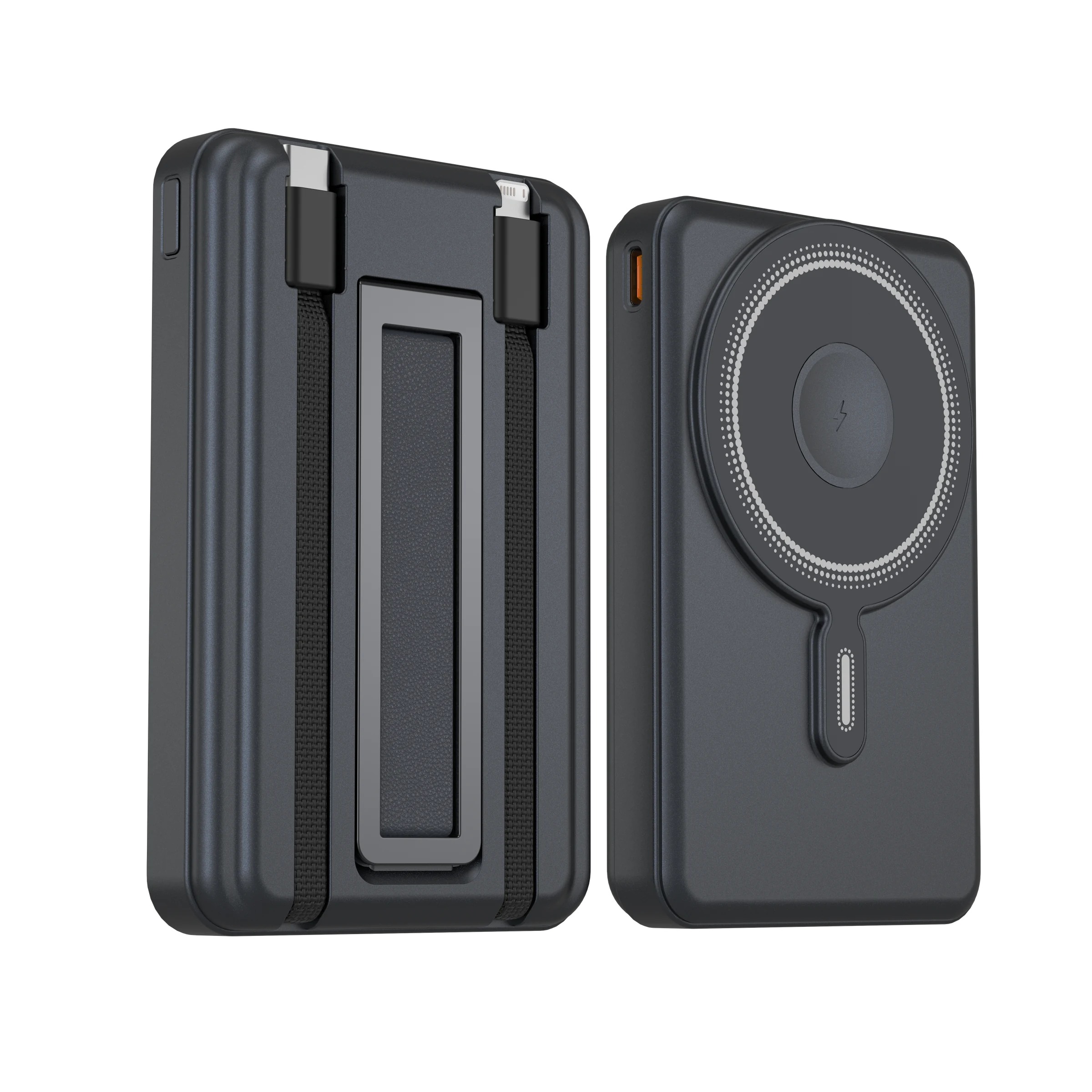
Build the documentation file around the exact charging product, configuration and destination market. Keep identity, technical specifications, compliance evidence, battery transport records and artwork approvals separate but linked. A logo on packaging or a generic supplier document does not establish that the quoted model meets the requirements for a particular market.
Start with product identity and the quotation scope
Record the supplier’s model reference, your internal SKU, the product photograph, connector layout and any variant identifier. Add the adapter, cables, battery and packaging included in the proposed order. Documents are hard to assess when the sample, quotation and report identify different products.
Use a file index with the document title, issuer, date, model covered, revision and unresolved questions. Preserve the original files and record any clarification from the supplier. A catalogue page can start an enquiry but should not replace the underlying evidence when a specific claim matters.
Collect the technical specification without filling gaps
- Input voltage, connector, required power source and included adapter.
- Each output profile and any shared or simultaneous-use conditions.
- Device positions, intended receivers and compatibility limitations.
- Battery capacity and energy information where the product contains a battery.
- Dimensions, materials and accessory list when relevant to packaging and use.
Keep “not provided” separate from “not applicable.” For example, an unknown battery capacity must remain an open question. Do not calculate a promised system output by adding unrelated port ratings. The power bank sourcing checklist helps separate capacity, output and connector questions; the power bank range supplies model references for an enquiry.
Review destination-market obligations for the actual product
Requirements vary with product design, destination, battery content, adapter bundle and sales channel. Identify who will review the applicable rules and who will be responsible for the information supplied with the product. This checklist organises evidence; it does not approve market access.
The European Commission’s manufacturer guidance explains the role of conformity assessment, technical documentation and an EU declaration of conformity where applicable. Your Europe’s declaration guidance also connects the declaration to the underlying assessment. Ask whether the documents identify the offered model and relevant requirements. Avoid treating a generic “CE certificate” as a universal substitute.
For other destinations, request a product-specific review of the applicable equipment, labelling and importer obligations. A document accepted for one market or a different adapter configuration should not automatically be reused for another. Record the person responsible for resolving the remaining questions before commercial approval.
Verify protocol and certification claims precisely
For a claimed Qi-certified wireless charger, check the exact product record in the Wireless Power Consortium database. Magnetic attachment and a claimed wireless output are separate observations. For USB-related claims, consult USB-IF charger guidance and request model-level evidence rather than assuming that every USB-C connector supports the same charging profiles.
Keep the report holder, tested model and supplied variant together in the file. If the model identifier differs, request an explanation and supporting linkage. Do not silently relabel a document or publish a certification claim while that mismatch remains unresolved. The Qi and Qi2 verification guide covers the buyer questions in more detail.
Handle battery transport as a separate workstream
Where lithium batteries are involved, identify the battery and the proposed shipment configuration. PHMSA’s lithium battery test-summary guidance explains the test-summary documentation route. A battery transport record does not establish charger compatibility or destination-market approval.
Ask the qualified logistics provider which current transport documents, packaging, marks and handling conditions apply to the shipment. Keep the battery identity and supplied product linked. A safety data sheet should not be treated as a replacement for every other battery transport record, and a past shipment is not proof that a new configuration is ready to ship.
Connect private-label artwork to the approved configuration
Collect logo artwork, proposed marking locations, packaging copy, model numbers, instructions and destination-language requirements. Confirm the responsible business details and any required warnings through the market review. Do not add certification logos or broad compatibility claims merely because they appear on a supplier image.
Approve a dated artwork proof and packing list against the selected sample. If the product or adapter changes, recheck the affected instructions and documentation. The private-label project guide and private-label service page explain how to prepare a model-specific request without assuming that every customization is available.
Use an open-questions register before approval
- Which document covers the exact model and variant?
- Do the sample, specification and quotation identify the same adapter and accessories?
- Which claims are supported, and which are still awaiting clarification?
- Who will confirm market and transport requirements?
- Which changes require another sample, artwork or document review?
Keep technical review, commercial quotation and shipment readiness as distinct decisions. Send the unresolved list with the charger RFQ so the Sales Team can review the selected configuration. Do not turn a supplier’s proposed feature into an approved specification before the evidence and project scope agree.
Frequently asked questions
Does every charger need the same documentation?
No. The required file depends on the product, included accessories, market, battery content and channel. Start with identity and have the applicable requirements reviewed.
Can one report cover several models?
Check the report scope and supporting model linkage. Similar names or housings do not establish that an offered variant is covered.
Does ChargerNext guarantee approval from this checklist?
No. Required documents and project feasibility are reviewed for the selected model and market. The checklist is a procurement aid, not a certification or approval.